

 Back to Blogs
Why Won’t Your Windows Open or Close Properly?
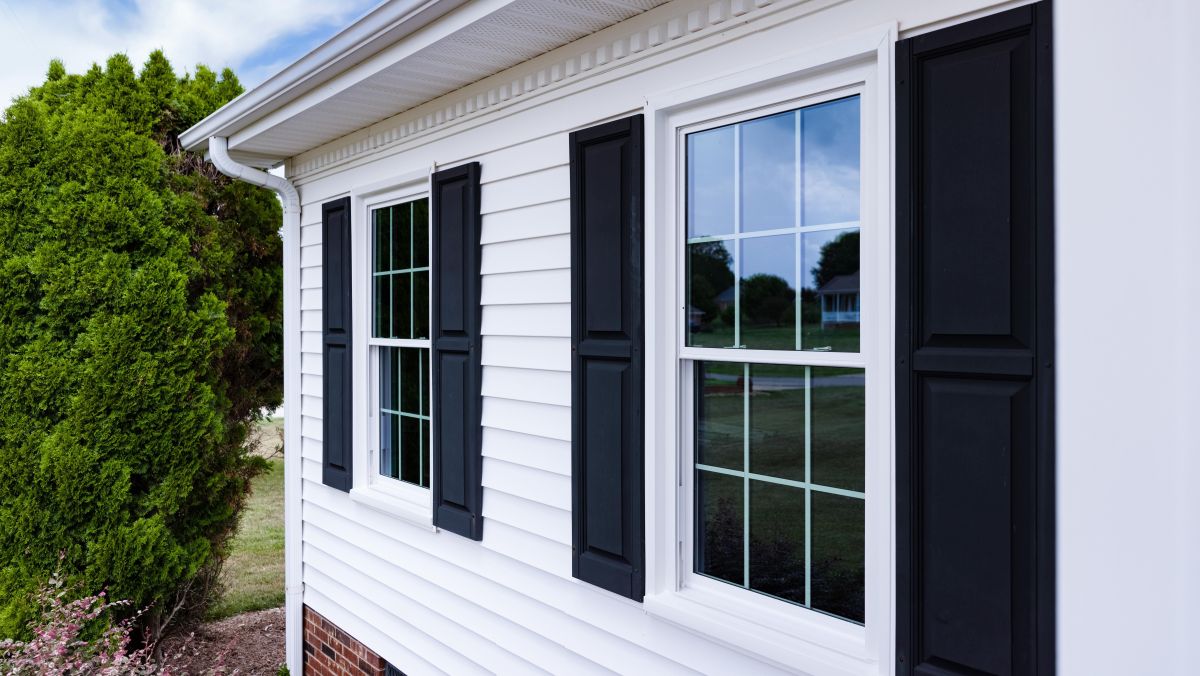
Windows usually stop working smoothly for one of five reasons: dirty tracks, paint or debris buildup, worn balances, swollen or warped frames, or a house that has shifted over time. Most of these problems are fixable. Some are early warnings that a window has reached the end of its life.
The good news is that you can often tell which problem you have in about five minutes. In residential windows, the symptoms tend to point straight to the cause. A window that grinds points to a different issue than one that slams shut on its own. In this blog post, we’ve covered what goes wrong, what you can safely try yourself, and when it makes sense to call someone.
What Causes Windows to Become Difficult to Open or Close?
Work from the simplest fix to the most involved. Most homeowners solve the problem in the first three steps.
Clean the tracks and sashes - Vacuum loose debris first. Then scrub the channels with a stiff brush and warm water mixed with mild dish soap. Wipe everything dry.
Lubricate the moving parts - Spray a silicone-based lubricant along the tracks and on hinges and locks. Skip heavy oils, because they attract dust and turn into sludge.
Check for painted-shut sashes - Slide a utility knife along the seam between the sash and the frame to break the paint bond. Work gently and avoid gouging the frame. If your home was built before 1978, test for lead paint before you scrape or sand anything.
Inspect the weatherstripping - Loose or bulging strips can catch the sash and block it. Press them back into place or replace them.
Look at the balances and locks - If the sash drops on its own, a balance has likely failed. If the lock will not engage, the sash may be sitting out of alignment.
Tap and tighten- Loose hinge screws or crank hardware sometimes cause binding. Tighten what is loose, but stop if anything strips or bends.\
A few cautions help avoid bigger repairs. Never pry a stuck window with a screwdriver or force it with your full body weight. That can crack glass, bend frames, and damage the seal of the glass unit. Also keep in mind that vinyl behaves differently than wood. Vinyl doesn't swell with humidity, so a sticking vinyl window usually means dirt, hardware, or alignment issues. That is one reason many homeowners move toward vinyl replacement windows over time.
How Can You Fix Windows That Won’t Open or Close Properly?
Work from the simplest fix to the most involved. Most homeowners solve the problem in the first three steps.
Clean the tracks and sashes - Vacuum loose debris first. Then scrub the channels with a stiff brush and a mix of warm water and mild dish soap. Wipe everything dry.
Lubricate the moving parts - Spray a silicone-based lubricant along the tracks, and on hinges and locks. Skip heavy oils, because they attract dust and turn into sludge.
Check for painted-shut sashes - Slide a utility knife along the seam between the sash and the frame to break the paint bond. Work gently and avoid gouging the frame. If your home was built before 1978, test for lead paint before you scrape or sand anything.
Inspect the weatherstripping - Loose or bulging strips can catch the sash and block it. Press them back into place or swap in new ones.
Look at the balances and locks - If the sash drops on its own, a balance has likely failed. If the lock will not engage, the sash may be sitting out of alignment.
Tap and tighten- Loose hinge screws or crank hardware sometimes cause binding. Tighten what is loose, but stop if anything strips or bends.
A few cautions help avoid bigger repairs. Never pry a stuck window with a screwdriver or force it with your full body weight. That cracks glass, bends frames, and can damage the seal of the glass unit. Also keep in mind that vinyl behaves differently than wood. Vinyl does not swell with humidity, so a sticking vinyl window usually means dirt, hardware, or alignment. That is one reason many homeowners move toward vinyl replacement windows over time.
When Should You Call a Professional Window Repair Specialist?
Some problems go beyond a brush and a can of lubricant. Call a professional when you notice any of the following.
The sash is out of square, or you can see gaps along one side of the frame.
The glass looks foggy or has moisture trapped between the panes, which suggests a failed seal.
The frame is soft, rotted, or cracked.
A balance or crank keeps failing after you have replaced or repaired it.
You feel drafts even when the window is fully closed and locked.
The window will not lock, which is a security concern as well as a comfort one.
Several windows throughout the house stick at once, which can signal a structural or moisture issue.
There is also a cost question. A repair makes sense for a single worn part on an otherwise sound window. Replacement tends to make more sense when the frame has rotted or warped, when the glass seal has failed, or when you are fixing the same window every year.
For homes with older units, newer energy-efficient windows also help with comfort. Features such as Low-E glass and good weatherstripping reduce drafts and limit heat transfer. Those features helped whether or not the window was sticking.
Check the warranty on your windows before paying for any repair. Many manufacturers cover mechanical parts such as locks, vent stops, and balances. Terms vary, so read the paperwork for your specific product.
Bottom Line
Windows that will not open or close rarely fail without warning. Dirt, paint, worn hardware, and moisture are the usual causes, and a careful cleaning plus lubrication solves many cases. When a frame has warped, the glass has fogged, or the same part keeps failing, repair stops being worth the effort. At that stage, newer residential windows can save money and frustration.
If you are ready to look at replacement options for your home, Window World Westchester offers energy-efficient windows backed by a manufacturer’s lifetime limited warranty.
Frequently Asked Questions
-
Dirty tracks, paint buildup, swollen frames, or worn hardware are the usual causes. Cleaning and lubricating the tracks fixes most cases.
-
Run a utility knife along the seam to break any paint seal, then clean the tracks and apply silicone lubricant. Avoid prying with force.
-
A broken or worn balance is the most common reason in double-hung windows. The spring-loaded part can no longer hold the sash in place.
-
Debris in the track, misaligned hardware, or a warped frame usually blocks it. Check the lock, weatherstripping, and tracks first. -
Repair works for a single worn part on a sound window. Replace the window when the frame is rotted or warped, or when the glass seal has failed.